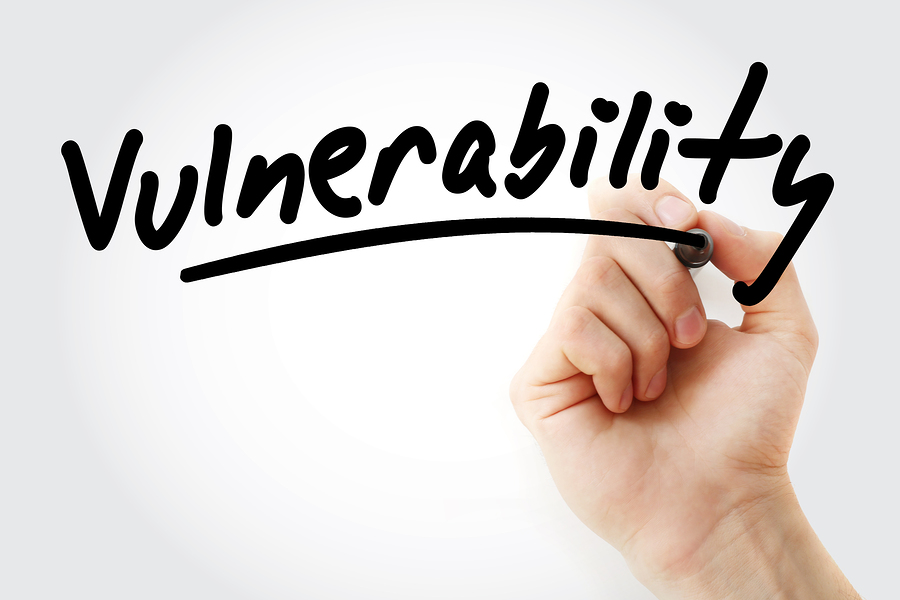
In our modern, fast-paced world, the word "vulnerable" often carries a heavy, almost negative weight. According to the dictionary, to be vulnerable is to be "susceptible to physical or emotional attack or harm" or to be "in need of special care, support, or protection." Under these definitions, vulnerability sounds like a weakness—a chink in the armor that we should seek to repair immediately.

In a world that often feels increasingly polarized and overwhelming, it is easy to become trapped in a singular way of seeing things. We find ourselves reactive—easily angered, quickly upset, and perpetually guarded. When we live from this place of defensiveness, our world shrinks. We stop seeing possibilities and start seeing threats.
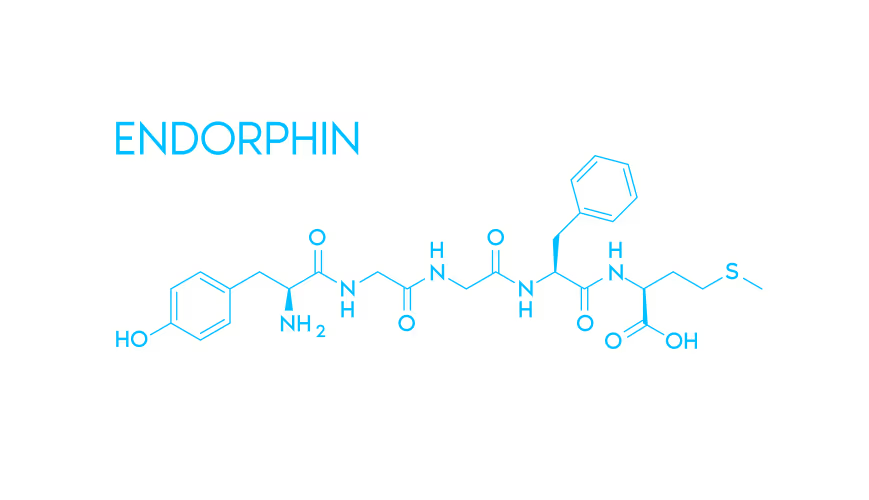
"Would you like to improve your mind-body health?" It’s a simple question, but the answer often requires bridging the gap between how we feel and how we live. At the heart of this bridge are endorphins.
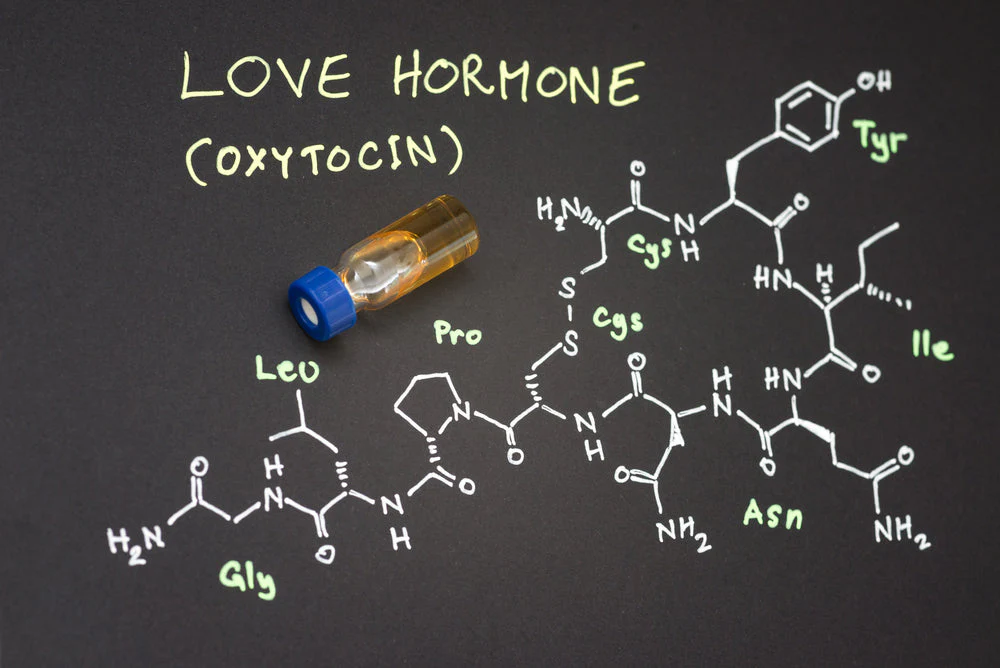
The desire for well-being often boils down to feeling connected—to ourselves, to others, and to a sense of security. The chemical engine driving this connection is Oxytocin, often called the "love hormone."
Boost your serotonin. Discover the 7 pillars for better mind-body health, including specific tips on how to reduce anxiety and thrive.
The key to wellness isn't found in a complicated regimen, but in understanding and actively managing a powerful chemical messenger in your brain: dopamine.

Do you ever find yourself pausing mid-conversation, wondering why your partner, a family member, or a colleague answers a question with another question, sidesteps the issue entirely, or simply lapses into silence?
It’s natural to feel like a "tool salesman" when your core mission is to introduce concepts and techniques designed to dismantle old, destructive habits. However, in the realm of integrated Mental Health Counseling and Life Coaching, these are not mere tools;

In the pursuit of good mental health, we often focus on external strategies: exercise, meditation, managing stress, or seeking therapy for symptoms. But what if one of the most powerful, yet overlooked, tools for achieving true psychological wellness is something deeply relational and personal? What if the secret lies in mastering the arts of self-forgiveness and offering a genuine apology to others?
Have you ever felt like you were living under a set of unspoken, yet rigid, rules within your own home? Rules where your feelings didn’t matter, and your identity seemed secondary to a perfect family image?