

In This Post
5 Fatal Flaws of Intimacy: Conquer the Silent Killers
Intimacy, the profound closeness that defines a truly resilient partnership, isn’t usually destroyed by a single catastrophic event; it erodes slowly, killed by a series of subtle, repetitive failures in communication and emotional generosity. These failures often stem from a lack of emotional skill or an ingrained defensive posture. Partners unknowingly dismantle their own emotional bridge through common behaviors that leave the other feeling unseen, unheard, and unsafe.
The 5 culprits that typically chip away at the foundation of emotional and physical closeness include:
- Failing to recognize and reciprocate bids for connection.
- Offering a false apology or none at all.
- Struggling to communicate needs versus express boundaries.
- Little or no accountability—quickness to blame others.
- Redirecting the conversation when their partner expresses a concern.
If these patterns sound familiar, our integrated approach utilizing Mental Health Counseling and Life Coaching provides the tools to halt this destructive cycle. We don’t just point out the problems; we provide the specific skill development and emotional healing necessary to reverse the damage and rebuild intimacy stronger than before.
Phase I: Mental Health Counseling – Healing the Defensive Core
The first phase addresses the root causes of intimacy killers, which are almost always rooted in deep-seated fears—fear of vulnerability, fear of abandonment, or fear of engulfment. Counseling provides the safe space to deconstruct the defensive wiring that makes genuine connection feel risky.
1. Processing the Fear of Connection (The Bid Failure)
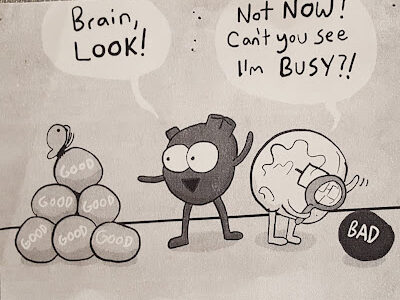
When a partner fails to recognize or reciprocate a “bid for connection” , they are sending a powerful message of unavailability. These bids—a sigh, a request for a moment of attention, a joke—are attempts to create a small moment of closeness.
- Counseling Focus: We explore why the individual misses or rejects the bid. Is it rooted in past relationships where closeness led to pain? Does stress overload make their emotional bandwidth zero? Counseling uses Attachment Theory to help the client understand their reflexive pull away from closeness and builds internal security so they can tolerate moments of vulnerability without dissociation or distraction.
2. Confronting the Apology Gap (Healing the Wound)
A false apology (“I’m sorry you feel that way”) or outright refusal to apologize prevents the repair necessary for intimacy to survive conflict. True intimacy requires the acknowledgment of harm.
- Counseling Focus: We teach the difference between surface regret and genuine empathy. Through Therapeutic Reflection, the client learns to own their impact, not just their intent. The counseling process models and practices the four key components of a successful apology: expressing regret, accepting responsibility, making restitution, and expressing intention to change. This shifts the focus from defending the ego to repairing the connection, which is the ultimate act of emotional generosity.
3. Understanding the Need for Self-Ownership
The tendency toward blame (“Little or no accountability”) and redirection of the conversation when faced with criticism are classic defense strategies (e.g., stonewalling or flooding). This toxic behavior kills intimacy because the partner is left holding all the emotional responsibility.
- Counseling Focus: The core work here is achieving Radical Ownership. We address the underlying fragility of the client’s ego that cannot tolerate being flawed. Counseling helps the individual separate their sense of self-worth from their momentary mistakes. By resolving past shame and judgment, the client gains the strength to say, “You are right, and I am responsible for my part,” which is the quickest way to restore safety in the relationship.
Phase II: Life Coaching – Strategic Skill Acquisition
Once emotional stability is established, Life Coaching introduces the strategic communication and boundary tools necessary for sustained, healthy intimacy.
4. Mastering Needs vs. Boundaries (Clarity is Kindness)
Many people struggle to communicate needs versus express boundaries. They either demand things (“You must stop leaving the dishes!”) or they retreat defensively (“I need space!”).
- Coaching Focus (Needs): We use a structured tool to translate generalized frustration into clear, actionable needs. Example: Instead of, “You never help,” the coached statement becomes, “I need you to take out the trash and load the dishwasher every evening so I feel like we are a team.”
- Coaching Focus (Boundaries): We establish the difference between a reactive threat and a proactive boundary. A boundary is a statement of what you will do if a behavior continues. Example: “If the dishes are left out after 9 PM, I will be cleaning only my own dishes the next day.” This clarifies expectations, reduces resentment, and creates structure, which is vital for sustained intimacy.
5. The Tool of Productive Response (Stopping Redirection)
The habit of redirecting the conversation when a partner expresses a concern (e.g., “Well, you did X last week!”) instantly kills intimacy because it invalidates the partner’s current pain.
- Coaching Focus: We train the client to use a two-step communication protocol: Validate First, Discuss Later. The client is coached to respond with a non-defensive validation (“I hear that you felt hurt when I was late, and your feelings matter. Let’s talk about that.”) before attempting to address the underlying issue or their own related concern. This tool ensures that the conversation stays focused on the expressed concern until the partner feels genuinely heard.
6. Institutionalizing Connection (Bidding Strategy)
Intimacy is not magic; it’s maintenance. Life Coaching turns the failure to reciprocate bids into a strategic, non-negotiable habit.
- Coaching Focus: We establish “Connection Windows”—small, scheduled check-ins (15 minutes of uninterrupted conversation before bed) and a “Bid Reciprocity Rule.” Clients practice identifying and explicitly responding to the three types of bids: turning toward (engaging), turning away (ignoring), and turning against (arguing). The Coaching Goal: Create automatic, reliable engagement that makes the partner feel prioritized and secure, rebuilding the trust essential for physical and emotional intimacy to flourish.
By integrating the deep emotional processing of counseling with the action-oriented tools of coaching, our practice moves couples beyond the cycle of avoidance and blame into a sustained state of mutual respect, safety, and profound connection.
Are you ready to schedule a consultation to begin mastering the skills required to protect and deepen your intimacy?
Take the next step
Schedule a consultation to explore how counseling and coaching can support your journey toward well-being.
